


Beyond Bucharest: Why Regional Business Hubs Are Driving Romania's Next Wave of Commercial Real Estate Growth
For much of the last two decades, Bucharest has dominated discussions about commercial real estate investment in Romania. The capital attracted the largest office developments, the highest concentration of multinational corporations, the most significant retail projects, and a substantial share of industrial and logistics investment.
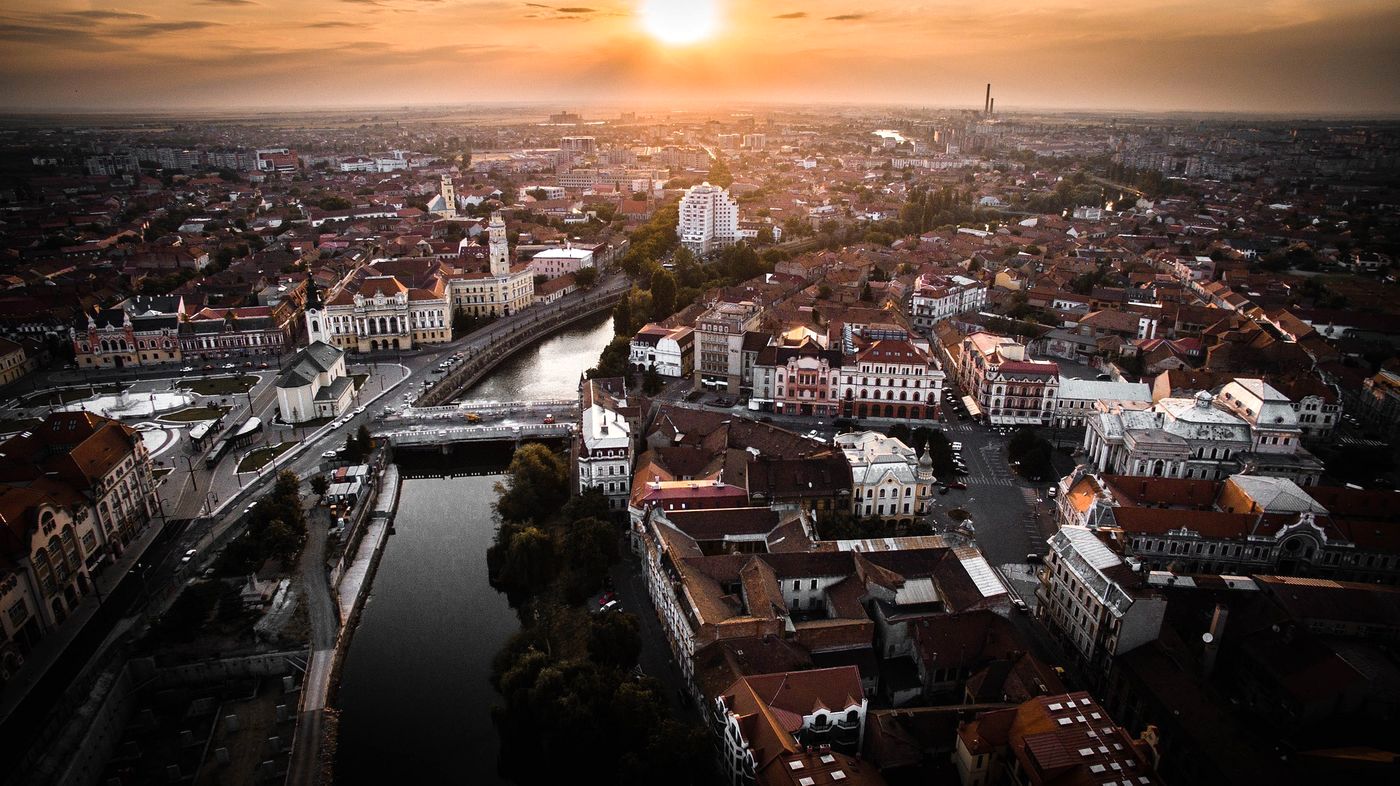
While Bucharest remains Romania's primary business center, investors, developers, and occupiers are increasingly paying attention to a different story: the growing importance of regional business hubs.
Cities such as Sibiu, Brașov, Timișoara, Oradea, and Arad are no longer viewed merely as secondary markets. They have evolved into strategic locations capable of supporting sophisticated manufacturing operations, modern logistics facilities, office developments, and regional retail networks.
This trend is not simply the result of lower costs. Instead, it reflects a broader shift in how companies evaluate location decisions in an increasingly competitive and uncertain economic environment.
The End of the "One-City Strategy"
Historically, many companies entering Romania concentrated their operations in or around Bucharest. This approach simplified management, recruitment, and market access.
However, as businesses have expanded, the limitations of a single-city strategy have become more apparent. Rising competition for talent, increasing congestion, pressure on infrastructure, and higher occupancy costs have encouraged companies to evaluate alternative locations.
At the same time, advances in technology, improvements in transportation infrastructure, and changes in workplace organization have reduced the necessity of concentrating all operations in one metropolitan area.
As a result, many organizations now adopt a multi-location strategy, distributing operations across several regions to improve efficiency and reduce operational risk.
This approach has created significant opportunities for regional commercial real estate markets.
Industrial Real Estate: Following the Supply Chain
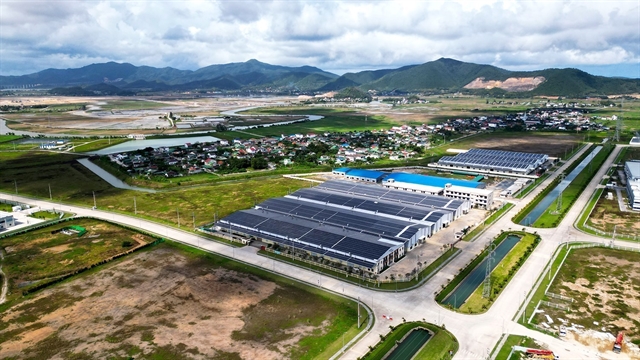
Industrial and logistics real estate continues to be one of the strongest-performing sectors in Romania. Demand remains driven by manufacturing, e-commerce, distribution, automotive suppliers, and companies seeking to optimize supply chains.
For these occupiers, geography matters.
Western and central Romania offer direct advantages due to their proximity to major European markets. Timișoara and Arad provide efficient connections toward Hungary, Austria, Germany, and broader Western Europe. Oradea has strengthened its position as a logistics gateway, while Sibiu benefits from its central location and access to multiple regions of the country.
Companies increasingly evaluate locations based on transportation efficiency, delivery times, labor availability, and supply chain resilience rather than simply focusing on rent levels.
A manufacturer exporting products to Germany, for example, may find that reducing transportation time by several hours delivers far greater long-term value than marginal differences in occupancy costs.
This perspective has increased demand for industrial parks and logistics facilities throughout western and central Romania.
Talent Availability Remains a Critical Factor
One of the most important drivers of commercial real estate demand is workforce availability.
Industrial facilities, office buildings, retail centers, and logistics hubs ultimately depend on people. A location's ability to attract, develop, and retain talent often determines whether an investment succeeds over the long term.
Regional cities have demonstrated increasing competitiveness in this area.
Universities in Timișoara, Brașov, Sibiu, and Oradea continue to produce graduates in engineering, information technology, business administration, logistics, and other disciplines relevant to modern employers.
At the same time, many professionals are prioritizing quality of life when choosing where to live and work. Factors such as shorter commuting times, lower living costs, improved urban infrastructure, and access to recreational opportunities are becoming increasingly important.
For employers, this can translate into stronger employee retention and lower recruitment costs—two factors that directly influence operational performance.
The availability of a stable workforce is therefore becoming one of the strongest arguments supporting investment in regional markets.

Infrastructure Is Changing Investment Patterns
Infrastructure development has always played a central role in real estate performance.
In commercial real estate, infrastructure determines accessibility, influences land values, affects labor mobility, and shapes future development opportunities.
Romania's ongoing investments in highways, airports, and transportation networks are gradually improving connectivity between major regional cities and international markets.
While infrastructure challenges remain, each improvement expands the range of locations that companies can realistically consider for investment.
The impact is particularly visible in industrial and logistics sectors, where transportation efficiency directly influences profitability.
For developers and investors, infrastructure projects often serve as leading indicators of future market growth. Areas that become more accessible frequently experience increased business activity, stronger occupier demand, and rising interest from institutional investors.
Consequently, monitoring infrastructure development has become an essential component of strategic real estate planning.
Office Markets Are Evolving
The office sector has undergone significant changes in recent years.
Hybrid working models, evolving employee expectations, and increased focus on workplace quality have altered how organizations use office space.
Yet despite predictions that office demand would decline permanently, many companies continue to recognize the value of physical workplaces for collaboration, culture, training, and innovation.
Regional office markets are benefiting from this evolution.
Instead of concentrating all employees in a single headquarters, organizations increasingly operate through regional offices that provide access to local talent pools while maintaining operational flexibility.
Cities such as Timișoara, Brașov, and Sibiu have become attractive locations for technology firms, shared service centers, engineering companies, and professional services organizations.
The emphasis is shifting from quantity of space to quality of space, creating opportunities for modern office developments that meet contemporary workplace requirements.
Retail Follows Economic Growth
Retail real estate often reflects broader economic conditions.
As employment levels rise, business activity expands, and household incomes increase, consumer spending tends to follow.
Regional cities have benefited from years of economic development, population stability, and increasing purchasing power. These trends continue to support demand for modern retail formats, from shopping centers and retail parks to convenience-focused developments.
Investors increasingly recognize that successful retail projects depend not only on population size but also on local economic fundamentals, infrastructure accessibility, and long-term demographic trends.
This has contributed to growing interest in regional retail markets throughout Transylvania and western Romania.
What Investors Are Looking For
Commercial real estate investors are becoming increasingly selective.
Rather than focusing exclusively on headline statistics, investors are examining deeper indicators such as labor market dynamics, economic diversification, infrastructure investment, demographic stability, and long-term occupier demand.
Regional markets that demonstrate these characteristics are attracting growing attention.
Sibiu, Brașov, Timișoara, Oradea, and Arad each offer distinct advantages, but they share several important characteristics: strategic locations, active business communities, improving infrastructure, and the capacity to support future economic growth.
For investors seeking sustainable opportunities rather than short-term speculation, these factors are often more important than temporary market fluctuations.
Looking Ahead
Commercial real estate has always been closely linked to broader economic trends.
The locations that attract businesses, talent, infrastructure investment, and population growth are often the locations that generate long-term real estate demand.
Romania's regional business hubs are increasingly demonstrating these qualities.
While Bucharest will continue to play a central role in the national economy, the country's future growth story is likely to be distributed across multiple regional centers. Industrial facilities, logistics parks, office developments, and retail projects will continue to follow the movement of businesses and people toward locations that offer operational efficiency and long-term competitiveness.
For occupiers, investors, and developers, the key question is no longer whether regional markets matter.
The question is which regional markets are best positioned to capture the next decade of growth.
Those who identify the answer early may find themselves benefiting from opportunities that become increasingly difficult to replicate once a market reaches maturity.